
In today’s global financial landscape, the phenomenon of asset freezes and frozen funds has become increasingly prevalent, particularly in cases involving fraud, money laundering, and other financial crimes. This process can significantly impact individuals and businesses, leading to financial uncertainty and potential legal consequences. As such, understanding the mechanics of asset freezes, the reasons behind them, and the options available for recovery is essential for anyone navigating these complex situations. For insights on recovery strategies, check out our Asset Freeze & Frozen Funds Recovery service.
Asset freezing is a legal mechanism often employed by governments and financial institutions to restrict access to a person’s or entity’s funds. This may occur due to suspicions of illegal activities or to secure assets pending legal actions. Affected individuals may find themselves unable to access significant sums of money, leading to potential financial ruin if not addressed quickly and effectively.

Reasons for Asset Freezes
There are various reasons that can lead to an asset freeze. Understanding these reasons can help individuals and businesses prepare for potential legal battles. Common scenarios include:
- Fraud Investigations: Authorities may freeze assets while investigating fraudulent activities to prevent the dissipation of funds.
- Money Laundering Concerns: Financial institutions are required by law to report suspicious transactions. A freeze may follow to allow for scrutiny of the funds’ origins.
- Judicial Orders: Courts can issue asset freezes as part of legal proceedings, especially in cases involving bankruptcy, divorce, or debts.
- Regulatory Compliance: Entities such as financial regulators may freeze assets as part of compliance with laws and regulations aimed at preventing financial crimes.
The Legal Framework of Asset Freezes
The legal framework governing asset freezes can vary considerably between jurisdictions. In many cases, authorities must follow specific procedures to implement an asset freeze. This often includes obtaining a court order or satisfying regulatory requirements to ensure that the freeze is justified and legally valid.
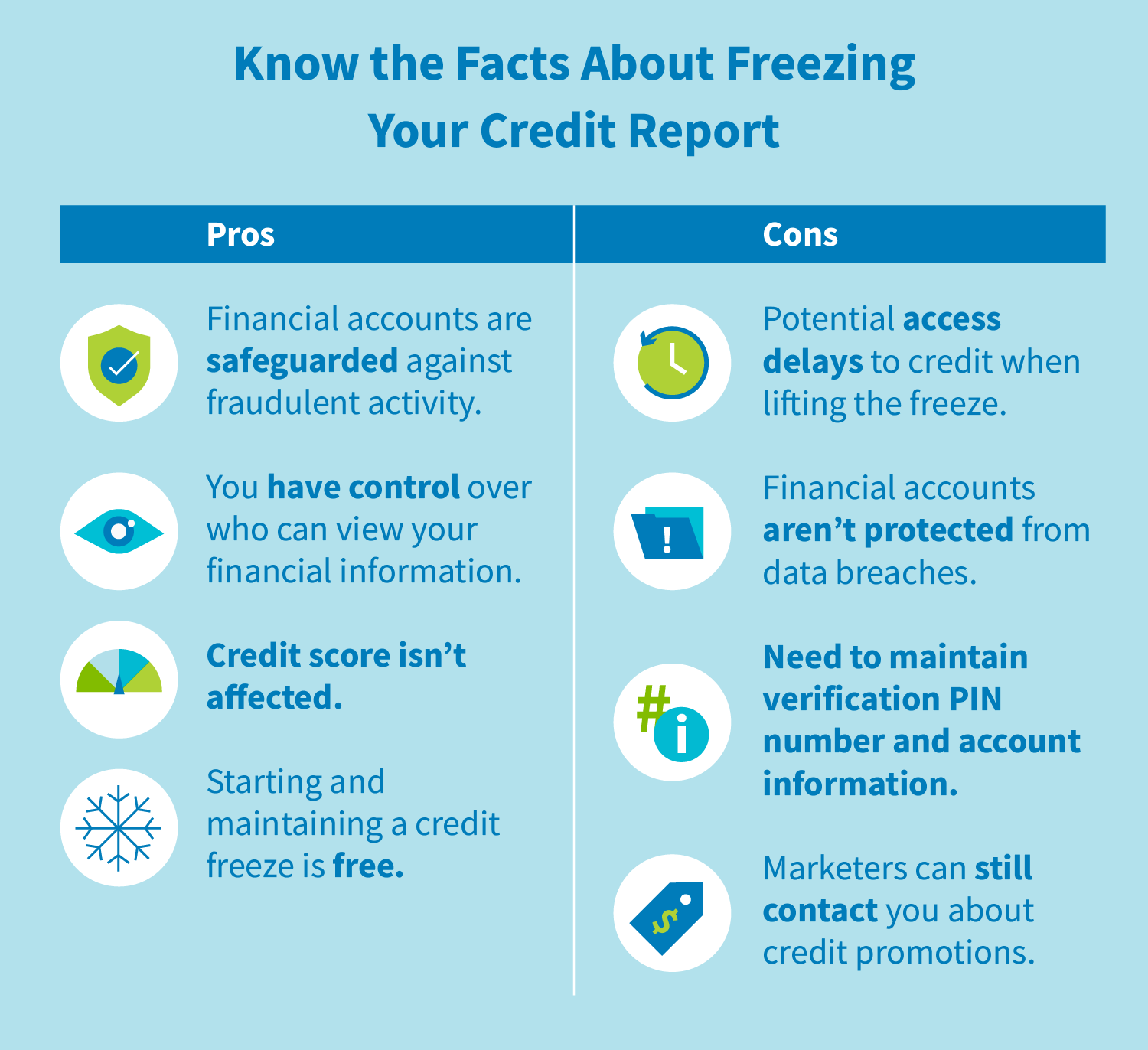
Individuals or businesses that find themselves subject to an asset freeze often have rights that can be asserted through legal channels. It’s crucial to consult with legal professionals who specialize in asset recovery and financial law to understand what steps can be taken to contest a freeze or seek its removal.
Implications of Frozen Funds
Having funds frozen can have serious implications for both individuals and businesses. Immediate impacts may include:
- Cash Flow Issues: Businesses may struggle to meet operational expenses if their accounts are frozen, potentially leading to layoffs or insolvency.
- Personal Financial Hardship: Individuals may find it difficult to pay bills, mortgages, or other essential expenses when access to their funds is restricted.
- Reputational Damage: Being subjected to an asset freeze can lead to public perception issues, particularly for businesses that depend on consumer trust.
Recovering Frozen Funds
Recovering frozen funds can be a complex and sometimes lengthy process. The steps typically involve:
- Consultation with Legal Experts: It is imperative to engage an attorney specializing in asset recovery to assess the situation and outline potential strategies.
- Gathering Evidence: Affected parties should compile relevant documentation and information that supports their case for the release of the assets.
- Negotiation with Authorities: Legal representatives can negotiate with relevant authorities to resolve the matter, potentially leading to expedited release of the funds.
- Pursuing Legal Action: If negotiations fail, parties may have to file a lawsuit to contest the freeze, seeking a judicial review of the decision.
Conclusion
Asset freezes and frozen funds represent significant challenges in today’s financial environment. The uncertainty that comes with having access to your funds restricted can lead to profound financial and emotional stress. Understanding the underlying reasons for asset freezes, the legal complexities involved, and the steps necessary for recovery are vital for anyone who finds themselves in this situation. By taking informed actions and seeking proper legal counsel, individuals and businesses can work towards regaining their financial independence and mitigating the risks associated with asset freezes.
For further assistance in navigating asset freezes, consider reaching out to experts in financial law who can provide tailored advice and support throughout your recovery journey.