
Understanding EU Sanctions Delisting: Processes and Implications
In the realm of international relations, economic sanctions serve as crucial tools for achieving political objectives. The European Union (EU) is well-known for its comprehensive sanctions frameworks that target specific individuals, organizations, and even countries. However, equally important is the process of delisting, which allows for the removal of sanctions from individuals or entities. This article delves into the intricacies of EU sanctions delisting, the procedures involved, its implications, and the critical role of legal expertise in navigating this complex field. If you are affected by sanctions, consulting experts like EU Sanctions Delisting Sanctions Lawyers can be invaluable in managing your case.
The Framework of EU Sanctions
The EU employs sanctions as a primary foreign policy tool to promote peace and security, enforce international law, and uphold human rights. These sanctions can take various forms, including asset freezes, travel bans, and arms embargoes. Individuals or entities can be listed based on their involvement in activities that threaten international peace, such as terrorism, human rights abuses, or nuclear proliferation.
Legal Basis for Sanctions
The legal basis for imposing sanctions in the EU primarily stems from the Treaty on European Union (TEU) and the Treaty on the Functioning of the European Union (TFEU). The Council of the EU is responsible for adopting sanctions measures, which are then published in the Official Journal of the European Union. These measures must comply with legal standards, including non-discrimination, proportionality, and respect for fundamental rights.
The Delisting Process
Delisting refers to the removal of individuals or entities from the sanctions list. This process is crucial for those who have undergone changes in circumstances that may warrant a reevaluation of their sanctions status. However, the delisting process is often complex and requires a thorough understanding of EU regulations.
Grounds for Delisting
There are several grounds on which an individual or entity may seek delisting. These include:
- Change in Circumstances: If the conditions that led to the imposition of sanctions have changed significantly, a delisting can be requested.
- Legal Errors: If an individual or entity believes they were incorrectly listed or that their listing does not comply with EU laws, they may seek delisting.
- Compliance with Regulations: Demonstrating compliance with international regulations and sanctions can also be a basis for requesting delisting.
Steps to Request Delisting
The delisting process generally involves several key steps:
- Preparation of Legal Documents: Affected individuals or entities must prepare the necessary legal documents and evidence supporting their request for delisting.
- Submission of the Request: The request for delisting is submitted to the relevant EU authority, typically the Council of the EU.
- Review Process: The Council will review the submission, which may involve consultations with member states and, in some cases, judicial review.
- Publication of Decision: If the delisting is approved, it will be formally published in the Official Journal, marking the end of the sanctions.
Implications of Delisting
The implications of delisting are profound, affecting not just the individuals and entities directly involved, but also the broader political and economic landscape:
Restoration of Rights
Upon delisting, the affected parties can experience a significant restoration of rights. This includes the ability to re-enter the EU without a travel ban, access previously frozen assets, and engage freely in business activities. For many, this reinstates their ability to contribute to their communities and economies.
Impact on Reputation
Being subjected to sanctions can severely damage an individual’s or entity’s reputation. Delisting, therefore, may help restore public perception, although it may not fully erase the stigma associated with prior listings. The process of delisting can signal to stakeholders that the entity has undergone a transformation or has valid reasons for its previous sanctions.
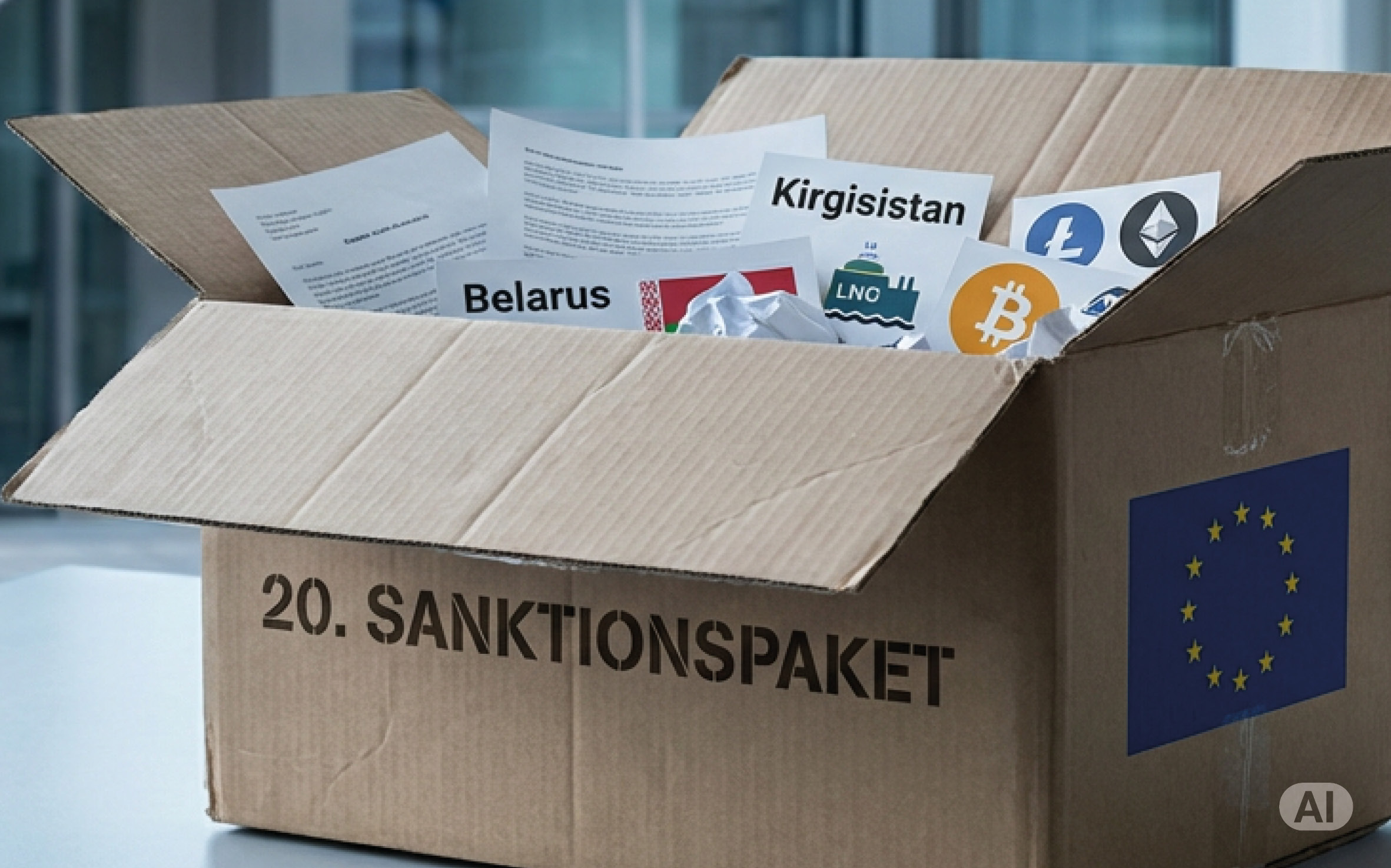
Broader Political Consequences
Delisting can also have broader political consequences, particularly in the context of international relations. It may reflect a shift in the EU’s stance toward a particular issue or entity and can serve to facilitate diplomatic engagements.
The Role of Legal Counsel
Given the complexities of the EU sanctions and delisting processes, the role of legal counsel is indispensable. Lawyers with expertise in sanctions law can provide crucial assistance in crafting effective delisting requests, navigating the legal landscape, and advocating on behalf of clients throughout the process. Their guidance can substantially enhance the chances of a favorable outcome.
Choosing the Right Sanctions Lawyer
When selecting a legal representative for matters related to sanctions delisting, it is vital to consider several factors:
- Experience: Look for lawyers who specialize in sanctions law and have a proven track record of successful delisting cases.
- Reputation: Client testimonials and peer reviews can provide insights into the lawyer’s reputation in the field.
- Personalized Service: The complexities of each case require tailored legal strategies. Ensure the lawyer is willing to provide personalized attention to your specific situation.
Conclusion
The EU sanctions delisting process is a critical aspect of the broader sanctions framework, offering hope and legal recourse for those affected by such measures. Understanding the procedures involved and the grounds for delisting can empower individuals and organizations to seek redress effecti
vely. With the complexity of sanctions law, the role of experienced legal counsel cannot be overstated, making it essential to seek expert advice during this challenging process.